Speed, Stickers, and Skills: Luzmo at ProductCon NY
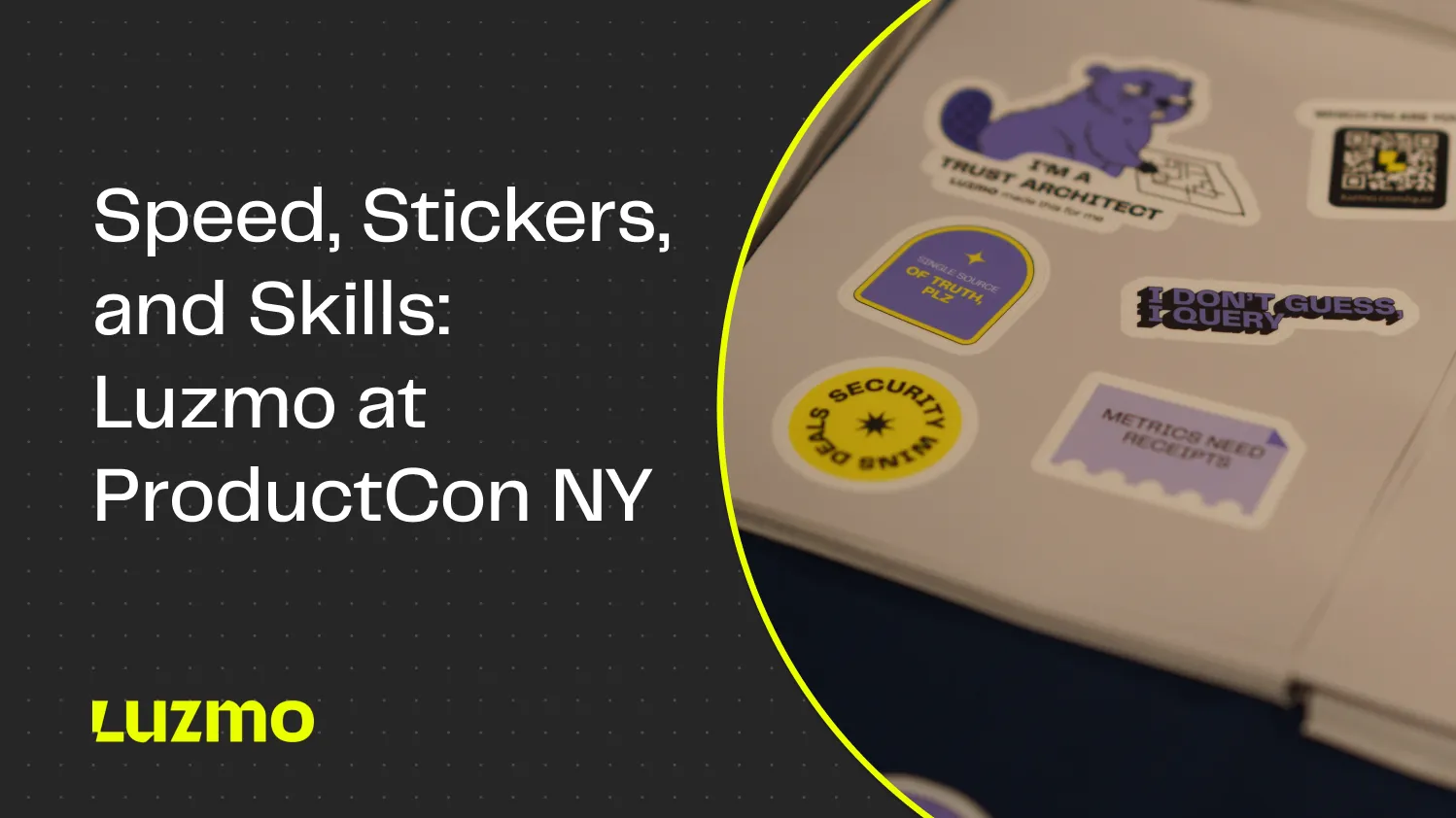
We ran a hands-on AI workshop and a personality quiz at ProductCon. More than 140 product people took the quiz, and about half turned out to be the same kind of PM.
ProductCon is one of those events where you can feel the whole product community in one room: managers, directors, founders, and a few engineers who wandered in for the coffee.
We went to New York with two things to do:
- run a workshop that taught people something they could use the next morning,
- and give everyone a reason to stop by and learn a little about themselves.
Both worked better than we expected, and the quiz results turned into a small, accidental study of how product people actually think.
The workshop: meet your users where they already are
Jasper, our VP of Product, led a hands-on session built around one observation: more and more of your users are leaving your app to work with your data somewhere else, usually inside Claude or ChatGPT.
They have the chat window open anyway, they have a quick question, and asking it there is faster than logging into your product and building a view.
Plenty of teams see that as a threat. Jasper's take is that it's an opportunity, as long as you meet people there on your own terms.
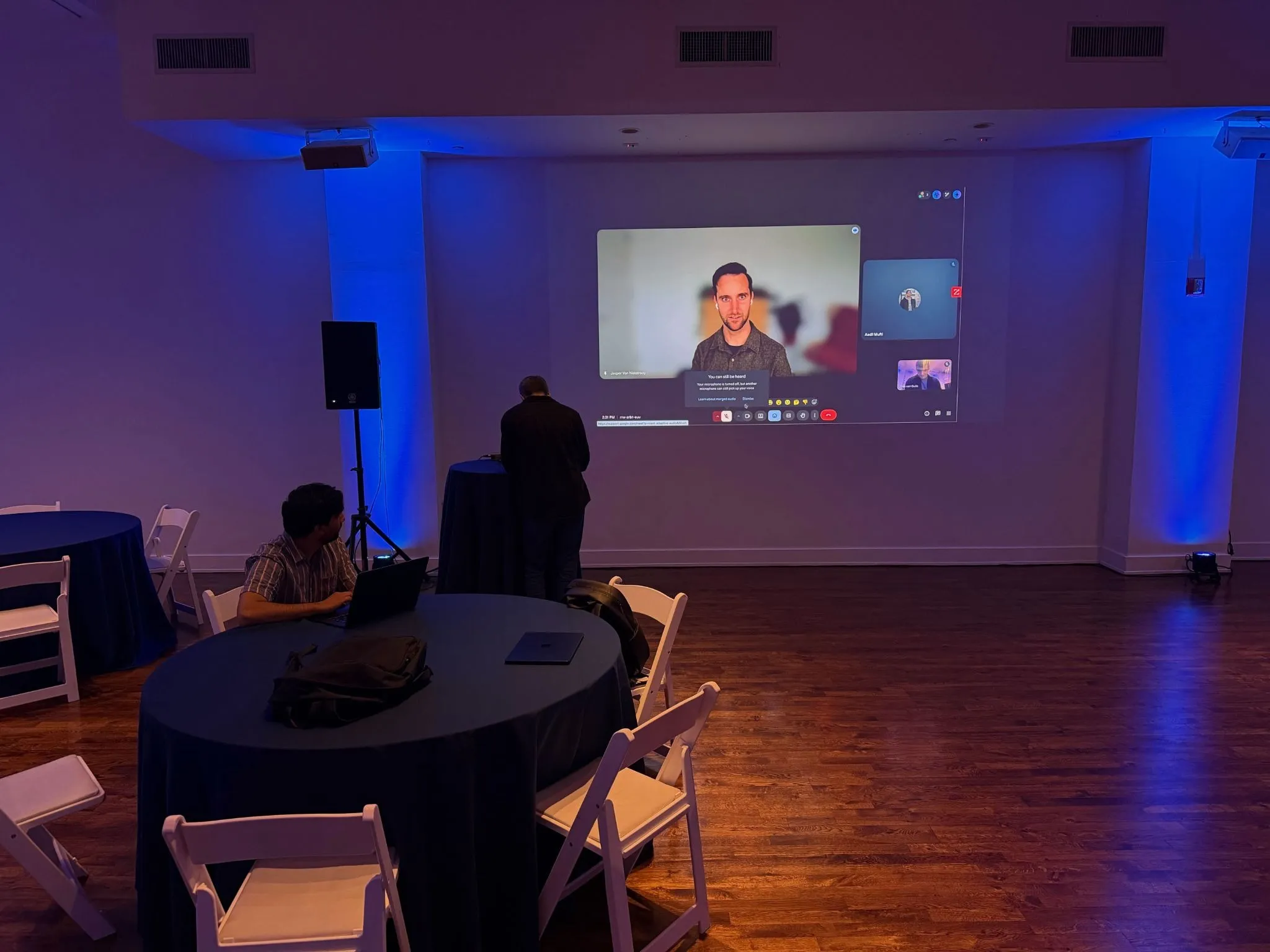
To keep it concrete, he used a demo app called Sales Compass, a stand-in for any SaaS product with analytics built in.
The exercise ran in steps, and the room followed along live. First, connect Claude to the app's data through an API so it can answer a real question like "what are my monthly sales split by product?" Then ask it to build a full report. That's where the problem showed up.
Claude could pull the data and lay out a report. But every report looked different. Ask the same question twice and you'd get a funnel one time and a bar chart the next, different colors, a different layout, and numbers calculated in slightly different ways. Useful, but off-brand and hard to trust, and a real headache the moment someone shares one of those reports with a colleague who then has to work out what they're looking at.
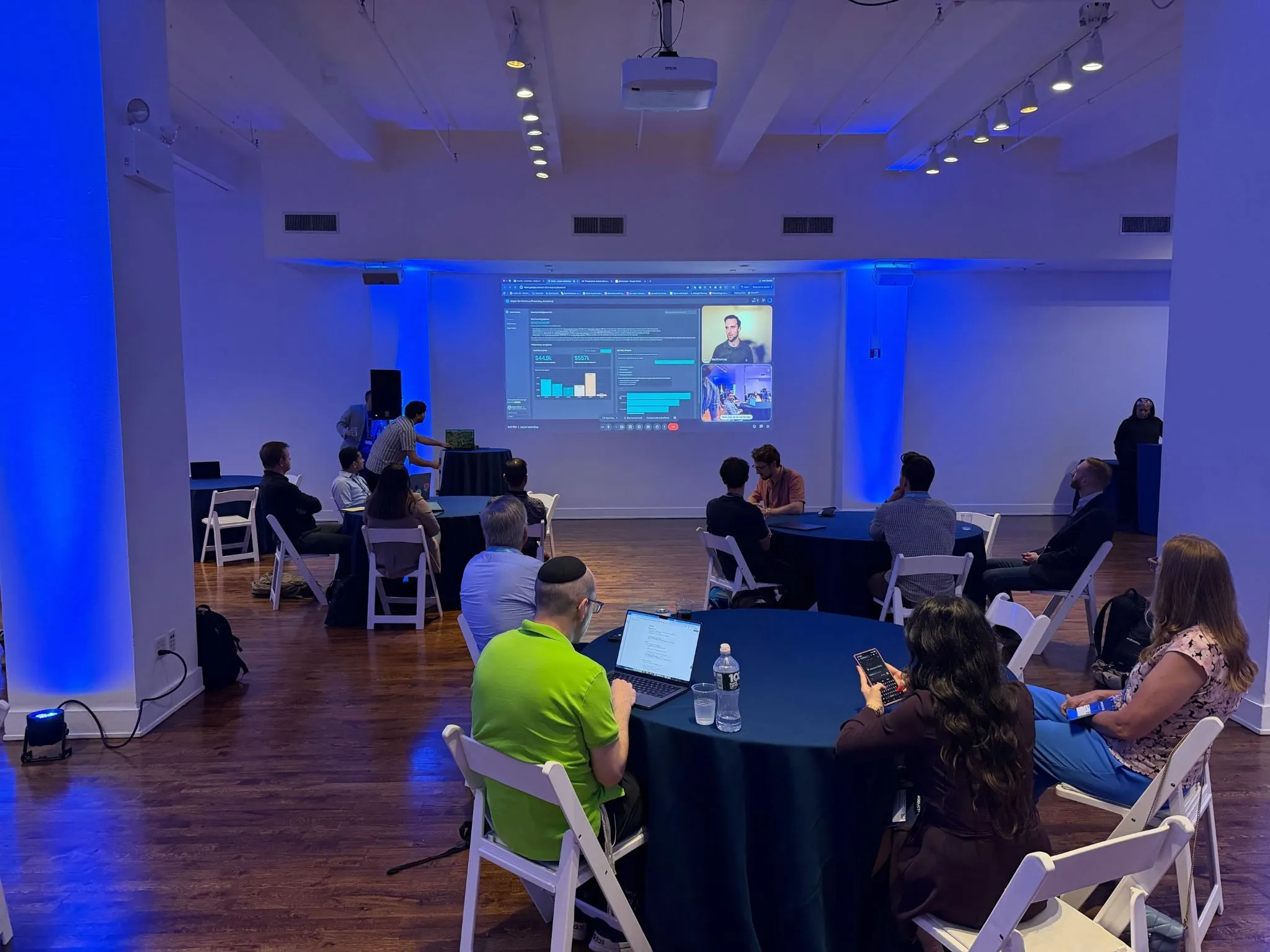
The fix is context.
Give Claude a screenshot of your product, a few notes on how your data should be visualized, and clear definitions of what your terms actually mean (does "sales" mean number of deals, total revenue, or committed revenue?), and the output starts to look and feel like it belongs to your product.
The last step is the one that makes it repeatable: package all of that into a Skill you can hand to your customers, so they get consistent, on-brand answers without doing the setup themselves.
Jasper also covered when to reach for a Skill versus an MCP server. Skills are the lightweight option: quick to ship, no heavy authentication, loaded only when they're needed.
An MCP can go further, rendering your actual charts inside Claude and even letting someone save what they built there back into your product. Either way, the goal is the same. Make it easy for data to move into Claude and back into your app, and you don't pull people away from your product; you give them more reasons to come back.
The demo didn't go perfectly.
A mistyped access key threw an error mid-session, and one attendee hit a network allow-list and needed a VPN to reach the API. We fixed the key live, worked through the network issue, and kept going.
Building with these tools in real time looks exactly like that.
The session went over well enough in New York that we re-ran it as a live online workshop, so if you missed it there's a recording and a notes page with every prompt Jasper used.
Watch the session:
Check the Notion page with the workshop materials
The quiz: which Product Person are you?
The second thing we ran was lighter. Seven quick questions and a custom sticker set at the end. Answer honestly and you'd find out which of five Product People you are. The questions were only half-serious – your PM love language, your stakeholder nemesis, the sticker slogan you'd actually put on your laptop – but each of the five outcomes maps to a real way of thinking about product.
The five types:
- The Time-to-Insight Sprinter, who gets value into users' hands fast: "If it can't ship fast, it can't ship at all."
- The Self-Serve Jedi, who designs for independence and hates a support queue: "Teach users to fish. Then give them more features."
- The Trust & Truth Guardian, who guards data credibility and governance: "If the metric can't be defended, it can't be shown."
- The API Alchemist, who thinks in systems and clean contracts: "Make it composable. Make it secure. Make it scale."
- The Brand Advocate, who sweats the details because polish builds credibility: "If it's not native, it's not shipping."
More than 140 people took the quiz, and the breakdown was more lopsided than we expected, though in hindsight we should have guessed.
About half came out as Time-to-Insight Sprinters. Roughly one in four were Self-Serve Jedis. The rest split across the Trust & Truth Guardian, the API Alchemist, and the Brand Advocate, in that order. Speed won, and it wasn't close.
The individual answers tell a sharper story than the totals. Asked for their PM love language, more people picked "time to value" than the next two answers put together. The single most popular sticker slogan was "Shipped > perfect (but also… kinda perfect)." This is a crowd that wants to move.
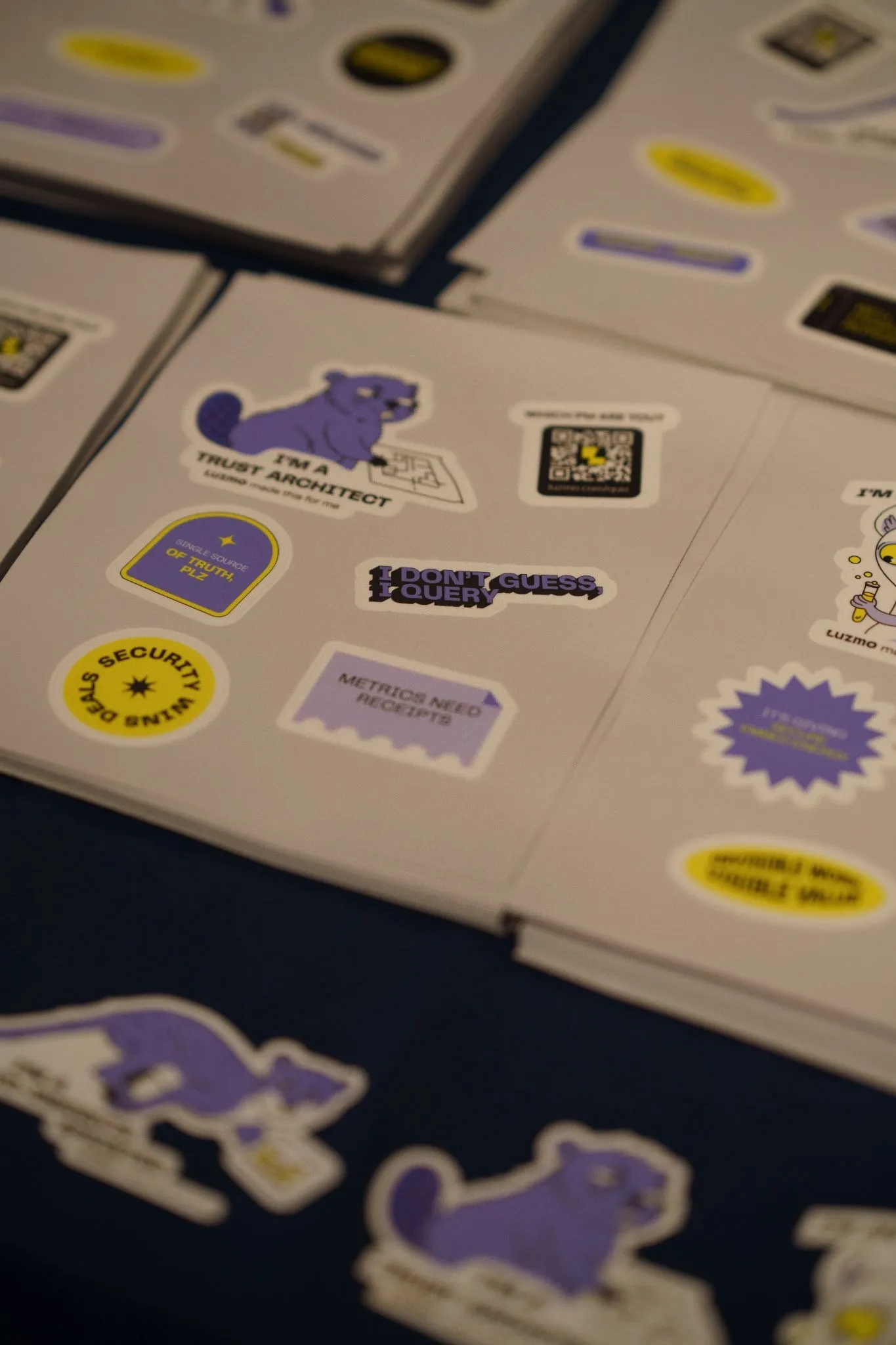
Their answer on how they measure success points somewhere else. The top pick was user trust: consistency, accuracy, and low confusion. That ranked ahead of both adoption and speed. So the same crowd that wants to move also judges itself on whether users can rely on what moved. Fast on the surface, careful underneath, and that's most of the job.
Two halves of the same point
We didn't plan for the workshop and the quiz to line up, but they did.
One was about getting your product's data into the tools people already use, without losing the consistency and trust that make the data worth using. The other showed, across 140-odd answers, that consistency and trust are what product people care about most, even when they're sprinting.
Thanks to everyone who stopped by, took the quiz, debugged an API key with us, or just grabbed a sticker. If you want the workshop materials, or you're curious which Product Person you'd be, both are still open.
See you at the next one! We’re going to attend Mind the Product London, come say hi!
Written by

Ship the future of your data
Let us show you what Luzmo can do for your product.

Book your session with our analytics expert.