How 4 SaaS Companies Turned Analytics Into a Premium Product Feature
Analytics is often treated as a cost center. Product teams build dashboards because customers request them, then absorb the development and maintenance work inside the existing subscription price.
That is not the only option.
Reporting can support upgrades, paid add-ons and stronger trial conversion when customers see a clear difference between basic visibility and advanced control.
Speakap, Timewax, Selligent and Kenjo use or explored four different packaging models. Their stories show that analytics monetization works best when the paid layer delivers a recognizable increase in customer value.
Four analytics monetization models
| Company | Packaging model | Paid value |
|---|---|---|
| Speakap | Basic insights included, advanced reporting paid | Deeper employee communication analytics |
| Timewax | Analytics across professional and enterprise tiers | Standard dashboards plus premium customization |
| Selligent | Core reporting for all, editor sold as an add-on | Customers create their own campaign dashboards |
| Kenjo | Planned upsell in higher tiers | Custom variants of standard HR dashboards |
Speakap made advanced analytics profitable with low paid adoption
Speakap is an employee communication platform for frontline and dispersed workforces.
Its analytics add-on, Compass, shows customers how employees interact with company communication. Users can track activation, retention, engagement and content performance.
Speakap gives customers access to basic insights, then charges for advanced reporting. According to the case study, the investment in Compass was already profitable at a 2% paid adoption rate.
That threshold changes the economics of the feature. Analytics did not need to become a paid product for every customer before it could justify itself.
The free layer demonstrates value and creates familiarity. The premium layer serves communication teams that need deeper evidence and stronger internal proof of their work.

Timewax used analytics to create a reason to upgrade
Timewax offers project and resource management software with a tiered pricing model.
The company introduced analytics in its professional and enterprise plans rather than treating reporting as the same feature across every package.
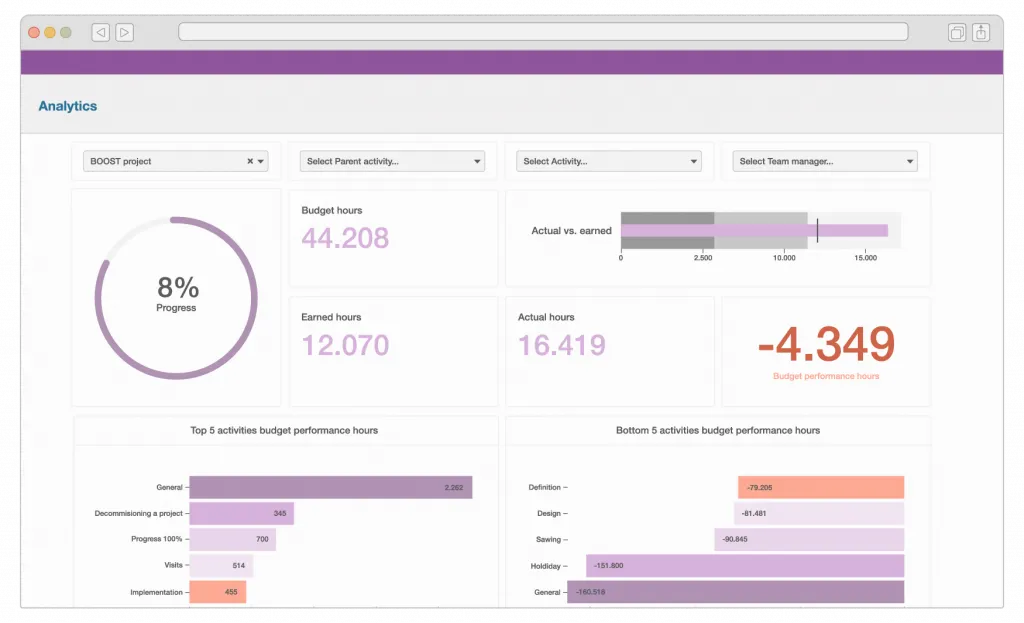
Professional customers receive a standard set of 30 dashboards. Enterprise customers gain the ability to customize dashboards.
This creates a natural value ladder: entry-level users experience the core product, professional users gain ready-made reporting and enterprise users receive more control.
Timewax also included analytics in its free trial. Prospects could see the reporting experience before purchase, giving sales and marketing a visual capability to demonstrate and a reason for users to move beyond the entry tier.
The case study describes analytics as both a monetization opportunity and a new value driver in customer conversations.

Selligent sold self-service reporting as a premium add-on
Selligent Marketing Cloud needed reporting that could serve marketers across several industries.
Basic campaign dashboards were important enough to include across customer tiers. More advanced users wanted to build their own views and analyze campaign performance from different angles.
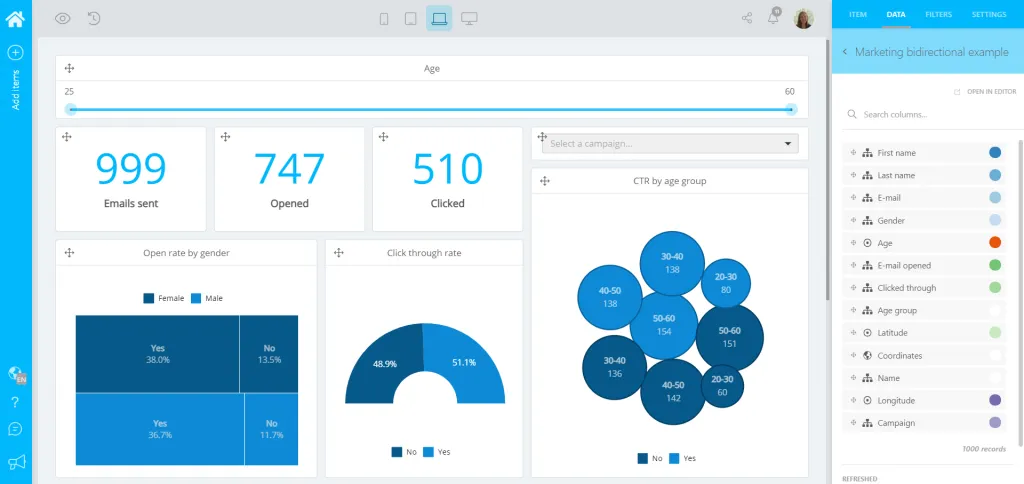
Selligent created two reporting layers: general campaign dashboards for all clients and a white-label dashboard editor for premium customers.
The editor is a paid add-on. It lets marketers create dashboards from scratch inside Selligent rather than submitting every reporting need to the product team.
This packaging model separates access to important product information from advanced creation capabilities. Customers can monitor core performance, while teams that need more flexibility can pay for it.
Read the Selligent case study →
Kenjo designed dashboard customization as a future upsell
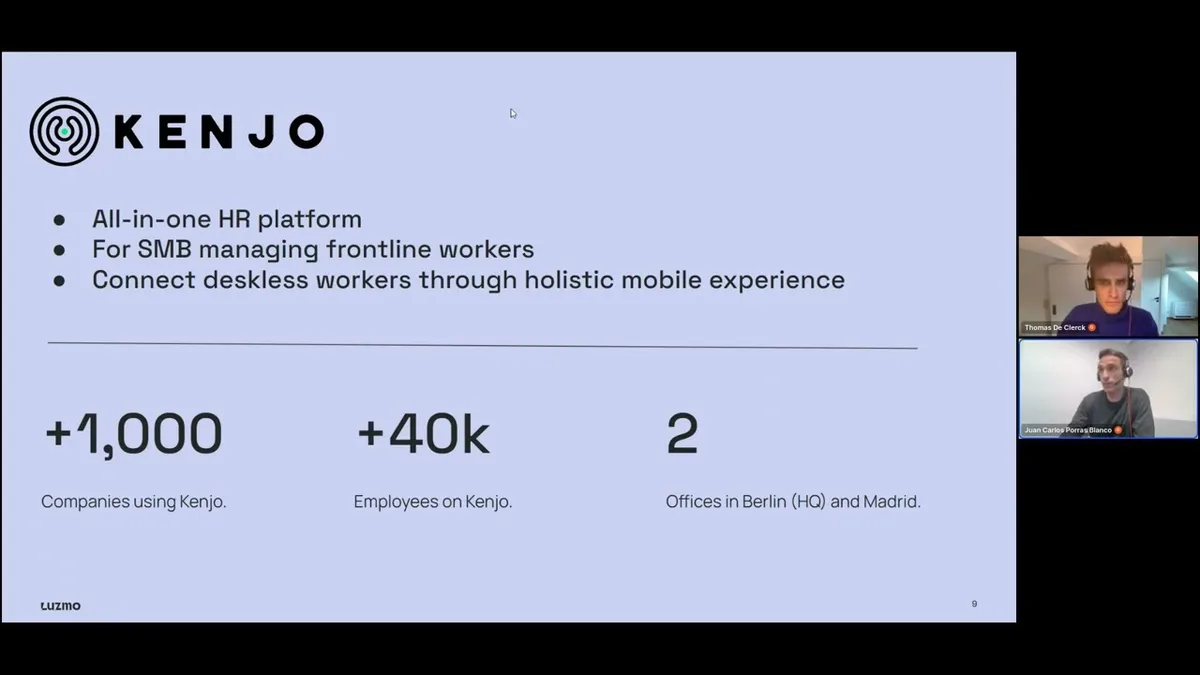
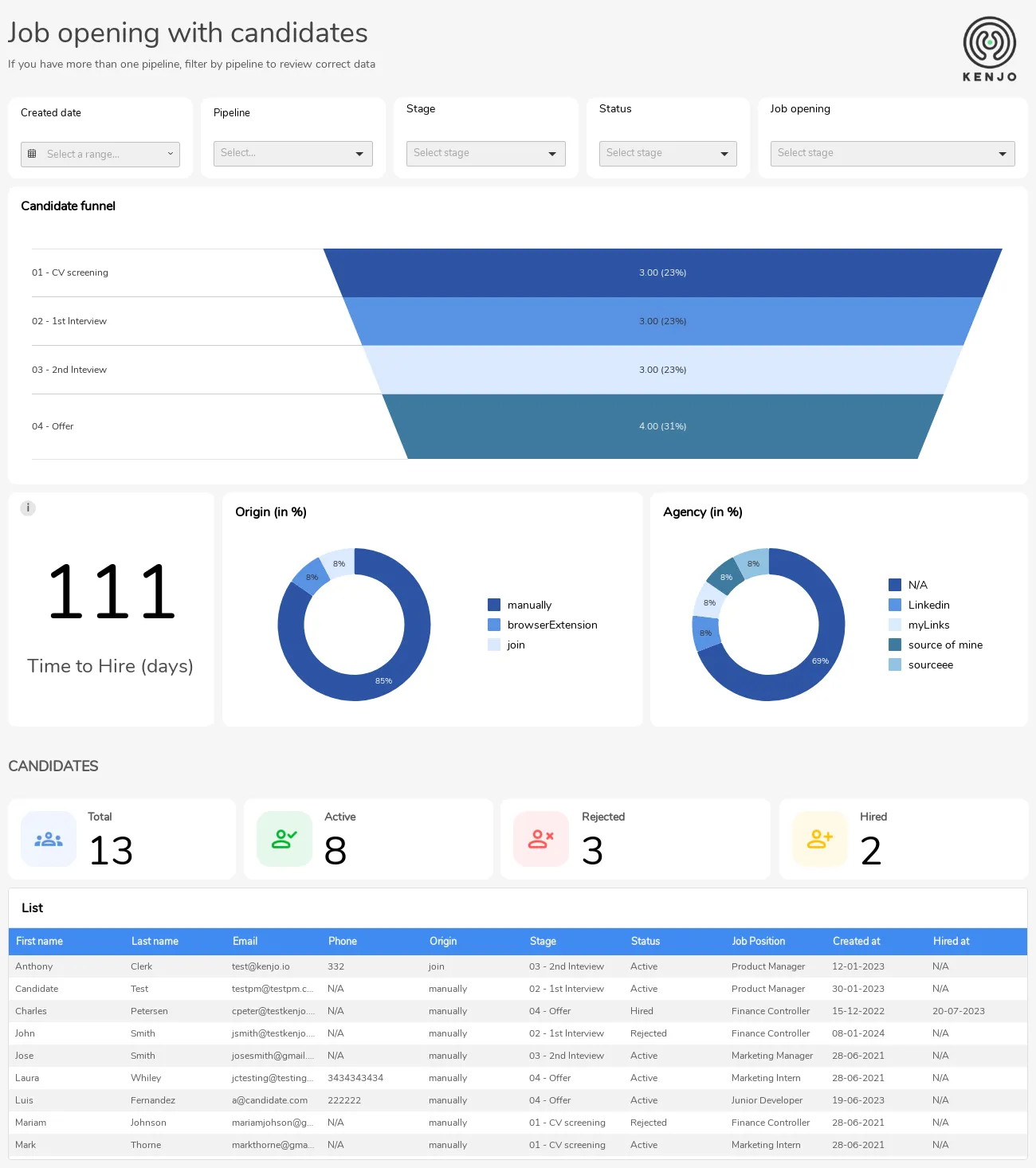
Kenjo embedded more than 30 dashboards in its HR platform. At the time of the case study, approximately 90% of customers used at least one dashboard each week.
That adoption created a strong foundation for a premium layer. Customers understood the value of analytics, but some wanted more control over what appeared on a dashboard and who could see it.
Kenjo tested dashboard variants. The model would let customers start from a standard template, customize it and publish the new version inside their organization.
The proof of concept was successful, and the case study described the feature as a planned upsell for higher pricing tiers. It should be read as an evolving capability rather than a finished, generally available feature.
This is different from a confirmed revenue result. Kenjo's example shows how adoption data and customer demand can inform packaging before a premium capability is launched.
The paid layer needs to solve a different problem
The four companies do not simply charge for more charts.
Speakap charges for deeper reporting. Timewax differentiates between ready-made analytics and customization. Selligent sells creation tools. Kenjo explored charging for controlled personalization.
In each case, the paid layer gives the customer greater depth, flexibility or control.
A weak monetization model removes a feature customers consider necessary, then asks them to pay to get it back. A stronger model keeps the core product understandable while charging for capabilities that serve more demanding use cases.
How to decide what belongs in a premium analytics tier
Keep essential product information accessible
Customers should not need an upgrade to confirm that the core product is working. Basic visibility supports trust and adoption.
Charge for depth or control
Advanced historical analysis, custom dashboards, editable templates and self-service creation provide clearer reasons to move to a higher tier.
Let users experience the value
Timewax uses analytics in its trial. Speakap gives customers basic insights. Both models let users understand the reporting experience before asking them to pay for more.
Validate demand before building the entire premium layer
Kenjo started with widely used standard dashboards and a proof of concept. That sequence reduces the risk of monetizing a capability customers have not learned to value.
Include support in the economics
Advanced analytics users may need onboarding, data-model guidance or professional services. The package should account for the work required to make customers successful.
Where analytics monetization fits alongside other reporting decisions
Packaging analytics as a premium feature works best when the product already helps customers see the value they are getting and when users can explore data on their own terms instead of filing another reporting request.
If you are deciding what belongs in a paid tier, it helps to review embedded analytics examples and to see how teams made analytics feel native to their product. You can also explore embedded analytics as a product capability rather than a one-off feature.
Speakap, Timewax, Selligent and Kenjo each tied the paid layer to a recognizable increase in customer value, instead of charging for access customers expected to have by default.
FAQ
All your questions answered.
How can SaaS companies monetize analytics?
They can package advanced reporting as an add-on, include analytics in higher pricing tiers, charge for customization or offer self-service dashboard creation as a premium capability. The paid layer works best when it delivers a recognizable increase in depth, flexibility or control.
Should basic analytics be free?
Basic analytics often helps customers understand and trust the core product, so it usually belongs in every tier. More advanced depth, control or customization may be better suited to paid tiers.
Can analytics improve SaaS trial conversion?
It can give prospects a visible reason to upgrade when the trial shows insights they cannot easily obtain elsewhere. Timewax included analytics in its trial as a teaser for higher pricing tiers.
How should SaaS companies price self-service analytics?
Pricing can be tied to plan level, feature access, customer segment or a paid add-on. Teams should also account for the onboarding, data-model guidance and support that advanced analytics users need.
Written by

Ship the future of your data
Let us show you what Luzmo can do for your product.

Book your session with our analytics expert.